With smartphone screens, apps, and social media platforms competing for attention 24/7 daily, the branding landscape has officially entered a dynamic environment. If your brand identity isn’t recognizable in half a second, it’s already lost in the scroll.
That’s why short-form video, motion, and instant clarity are so necessary. They’re decisive trends shaping branding and brand identity in 2026. Now add AI systems to the mix.
Co-pilot tools, AI agents, and increasingly sophisticated AI models can spin up logos, visuals, and even full website layouts faster than a creative brief can be approved. This is the age of AI-Generated content and multimodal AI (which can write, speak, and see). Here, technological integration is accelerating emerging branding trends and forcing many brands to rethink their brand strategy just to stay ahead in a competitive market.
But speed alone doesn’t build brand loyalty. Today’s consumer preferences are loud and clear: People want purpose-driven brands that stand for something.
Accenture flagged this as a significant shift as far back as 2018, and it’s only getting louder, especially as Gen Z drives demand for deeper connections, richer customer experiences, and brands that evoke emotion.
When you add User-Generated Content (UGC), social media conversations, and real-time feedback powered by customer data, branding becomes less about control and more about connection.
Successful branding in 2026 means building emotional connection, aligning with modern business practices, and designing a brand identity that’s flexible enough to future-proof business growth without losing its soul. Let’s dive deeper to learn more.
How to Use Branding Trends Without Losing Your Core Brand
Spotting shiny branding trends in 2026 is easy, but not turning your brand into a confused mash‑up is the real skill.
In a noisy, short-form-video-packed world, where many brands chase every microsecond on social media, the winners are those that know exactly what must stay uninterrupted and stationary and what can flex with the times.
Treat trends as vehicles to make your brand famous, not as a new personality.
Start With Rock-Solid Brand Foundations
Before touching a single color, motion effect, or AI-Generated content concept, get painfully clear on your brand foundations. This is the brand strategy layer that keeps you consistent as the wider branding landscape shifts.
- Brand promise: What do you help customers achieve, in one simple line? Think transformation, not just features you offer in your products.
- Personality: Are you bold, calm, playful, expert, or rebellious, and how should that sound across social media, emails, and other communications?
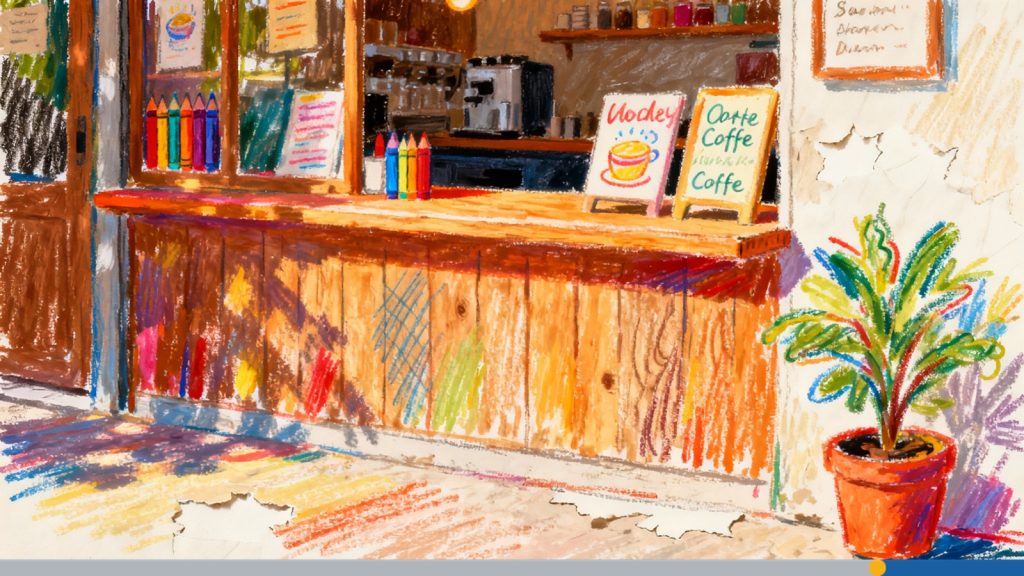
- Primary audience and key use cases: Local shop or cafe, direct-to-consumer brand, business-to-business service, digital product? Your brand identity should match how and where people actually experience your brand (from social media platforms to packaging and merchandising).
Decide What Evolves vs. What Stays Fixed
Picture your brand identity as a house: Some walls are structural, which means you shouldn’t interfere with them. Others can be repainted or cut down without everything collapsing. In a lively environment and competitive market, knowing the difference protects brand loyalty and long‑term recognition.
Normal fixed elements of a brand:
- Brand name: the name of your business or product.
- The core symbol or wordmark idea (the recognizable face of your logo, for example, VISA, Google, Vans, etc.).
- Core brand values and purpose (especially for purpose-driven brands and purpose-driven strategies). For example, a brand focuses on efficiency and low costs for its furniture, while another focuses on offering environmentally sustainable clothing.
Flexible elements of a brand (where 2026 branding trends can safely play):
- Color palette extensions and seasonal accents. Warmer tones in Summer, and colder in Winter.
- Motion behavior and animation style.
- Patterns, graphic shapes, and layout style.
- Photography style and filters for social media and short-form video.
- How your logo appears on merch applications (T‑shirts, mugs, packaging, and event swag).
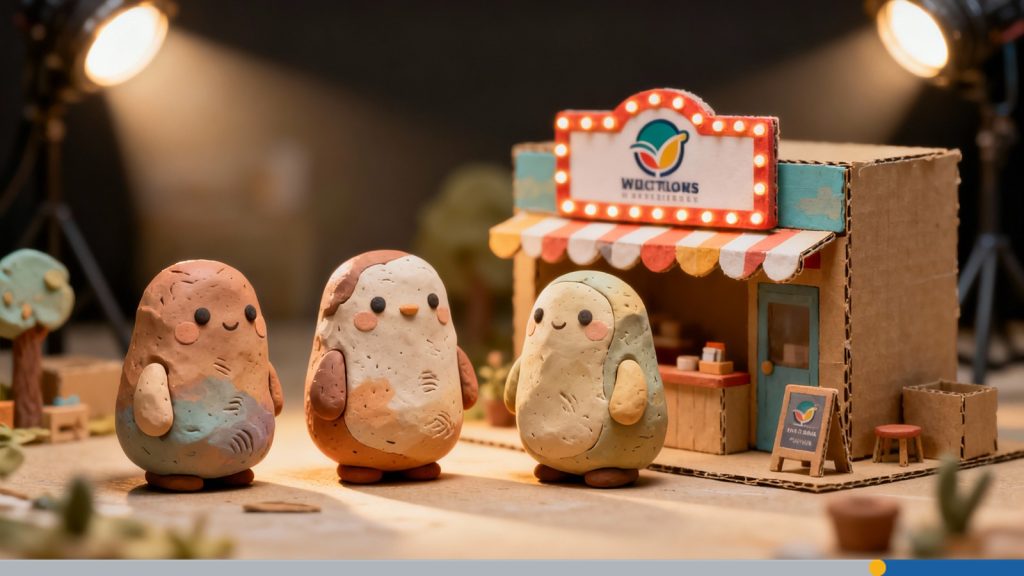
A Simple Framework for Choosing the Right Trends
When a new look or format pops up: Run it through this quick filter before you roll it out across your brand identity, whether it’s motion‑first logos, Gen Z-friendly color clashes, or AI-Generated content style. Start by asking yourself:
- Does it support the brand promise?
- Does it make the brand clearer and more accessible, not just cooler in a user’s feed?
- Can this trend be implemented consistently across logo, merch, and website?
Top 10 Branding & Brand Identity Trends 2026 (& Tips on How to Apply Them)
These 10 branding and brand identity trends for 2026 reflect what’s happening across leading agencies, creative platforms, and real‑world brand rollouts today.
1. Minimalist, Adaptive Visual Identities
Clean, reductionist logos built on strong, simple shapes that read instantly at any size. These adaptive brand systems include stacked and horizontal lockups, icon‑only marks, and responsive versions with limited color palettes and plenty of negative space.
They perform better across tiny favicons (the icon in each web browser tab), app icons, social avatars, business cards, packaging, and merch, and stay consistent when AI tools auto‑generate variations.
Put this into practice
Brief the AI logo generator with a simple, adaptable logo with an icon and wordmark that works in 1‑color. Generate variants for your primary full‑color logo, a 1‑color version, and a square favicon. Show how the clean symbol sits on T‑shirts, mugs, pens, and in your website header, same mark, multiple surfaces, zero confusion.
Explore FreeLogoServices’ Online Logo Maker and select from a wide range of promotional items to accompany your logo.
2. Motion‑First, Kinetic Branding
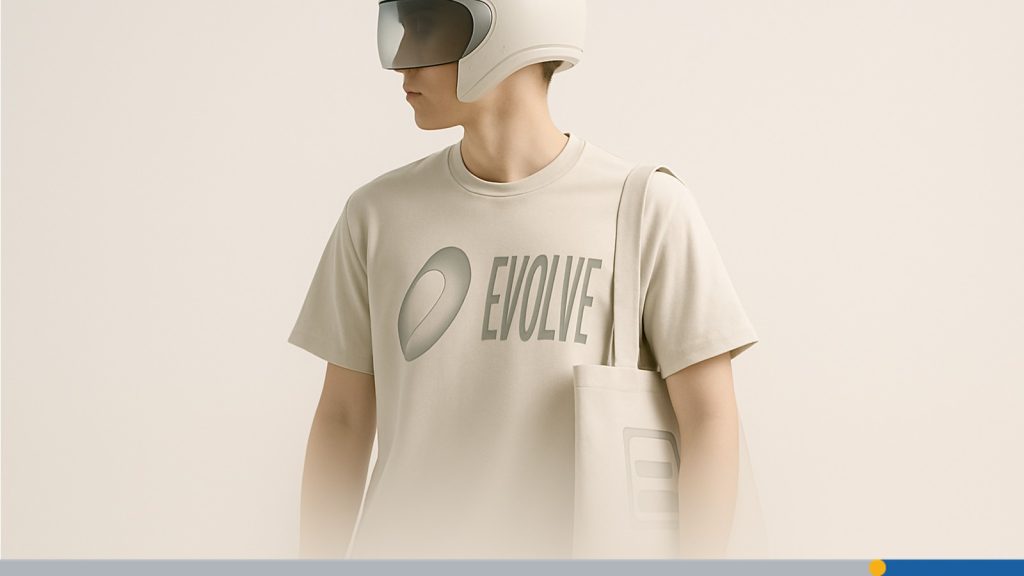
Logos that shift, stretch, rotate, or morph subtly paired with kinetic typography and scroll‑based micro‑animations. UI elements, hover states on website content, button transitions, and loading loops all move with purpose. In a screen‑first, short-form video world, motion becomes a core brand identity asset that differentiates you in Instagram Reels, TikTok feeds, and Stories.
How to implement this
Use AI to concept multiple motion‑ready logo shapes, morph stages, stretched type, or looping elements. Plan static motion snapshots for merch: streaks, frames, or animated‑looking typography on shirts and tote bags. On your site, apply simple fade or slide transitions and animate the logo on scroll or hover.
After you conceptualize a logo with that strategy, work directly with one of our designers to bring it to life and explore plenty of alternatives.
3. Humanized AI Branding & Co‑Pilot Creation
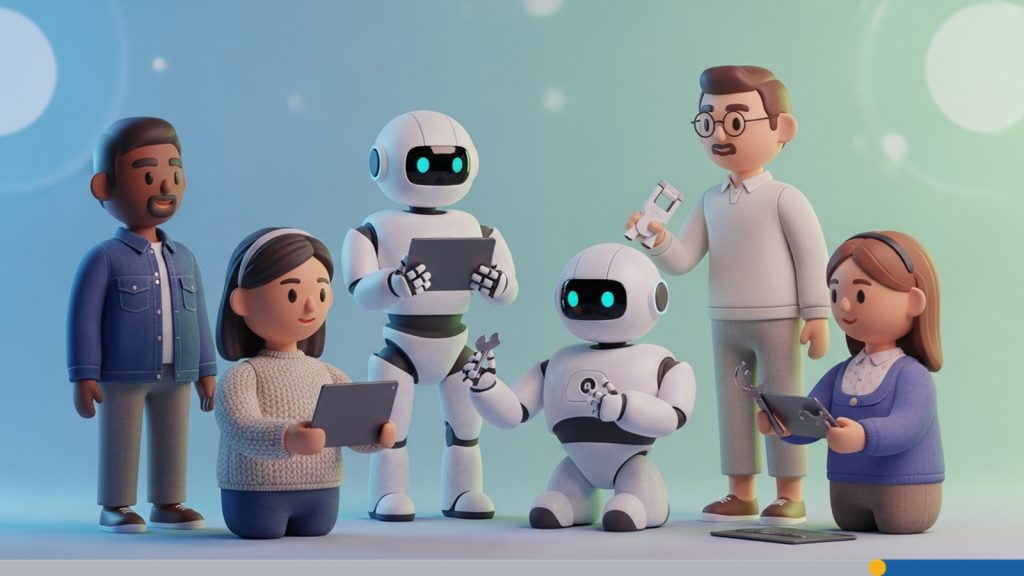
Friendly, conversational visuals that acknowledge AI help without looking cold or robotic. Hybrid images mix real photography with light AI enhancements, hand-written text, collage textures, expressive illustration overlays, and warm color grading.
This approach builds trust by showing technology supports people rather than replacing them, making it essential for SaaS platforms, design services, and any business leveraging AI tools.
Put this into practice
In your AI logo brief, emphasise human, friendly, approachable, no overly techy look. Generate graphics that show people + AI working together.
On merch, print friendly mascots or icons that suggest AI as a helpful assistant on notebooks, stickers, and apparel. On the website, pair AI‑assisted illustrations with clear, human‑sounding copy.
4. Inclusive & Accessible Identity Design
High‑contrast color combinations, legible type at small sizes, clear hierarchy, generous spacing, and uncluttered layouts. Photography and illustration authentically represent diverse ages, abilities, cultures, and body types.
Accessibility is now a baseline expectation that expands audience reach and avoids legal pitfalls, critical for websites, apps, printed collateral, and merch.
Put this into practice
Ask the AI logo maker for strong contrast and simple forms that work in grayscale and 1‑color. Run basic accessibility checks on color contrast.
5. Purpose‑Driven & Slow Brand Systems
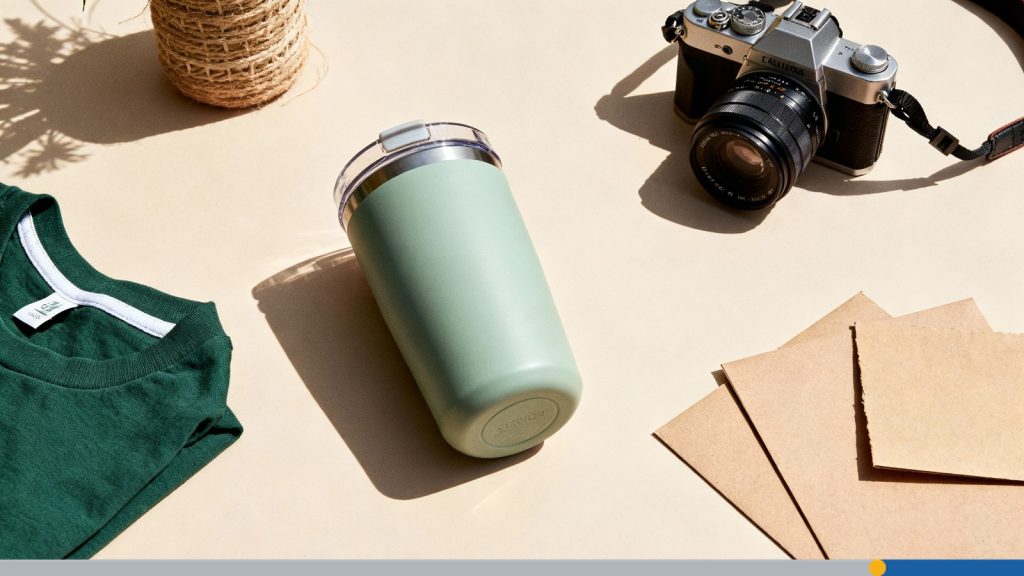
Visuals that feel calm, deliberate, and durable rather than chasing micro‑trends. Slow branding essentially means an intentional, long-term approach that prioritizes quality.
Design choices reflect clear missions, sustainability, community impact, craftsmanship, and fair trade through consistent use of core motifs over the years instead of constant rebrands.
Customers reward purpose-driven brands that stand for something and show it consistently while reducing waste through long‑term assets.
Put this into practice
Brief the AI logo maker with your purpose keywords: community‑driven, eco‑friendly, fair‑trade. Choose colors, imagery, and merch items that reinforce that mission, reusable drinkware, organic cotton apparel, and recycled paper stationery. On the site, create a dedicated Our Purpose section and reuse visual motifs from the logo system throughout.
6. Hyper‑Local, Folk & Heritage‑Coded Identities That Build Brand Loyalty
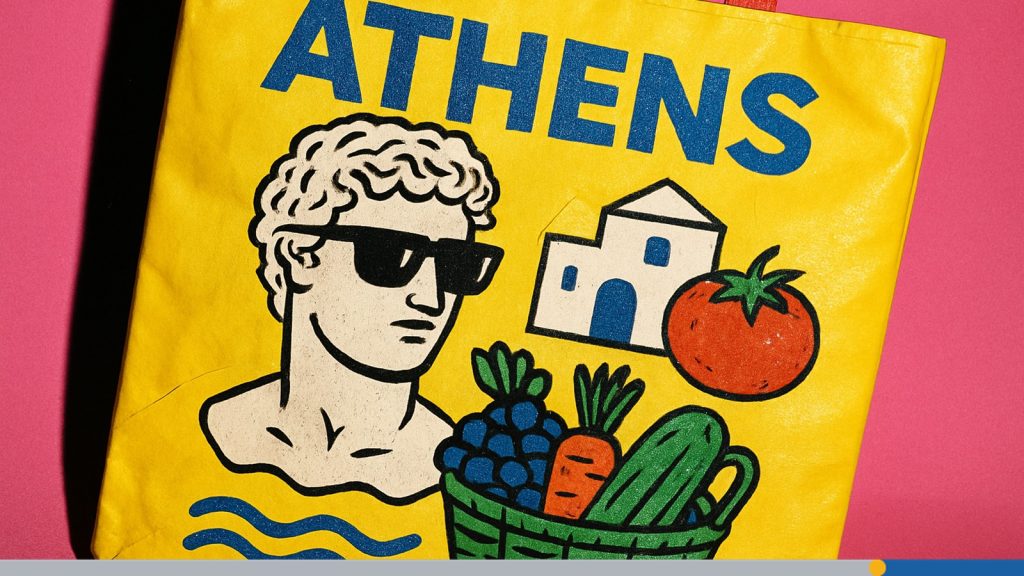
Symbols, patterns, and typography inspired by local culture, history, and geography. Folklore motifs, traditional crafts, or regional landscapes are woven into the identity, with photography showcasing real neighborhoods and customers.
This cuts through generic AI-Generated content by feeling rooted in a specific place, helping local businesses and niche brands build loyalty against faceless chains. AI will certainly give good ideas; however, working with our Online Logo Maker tool will give you a more precise and clear path forward.
Put this into practice
Feed the AI logo generator prompts with city, region, or cultural references: Athens‑inspired, Cycladic island patterns, local farmers market symbols. Turn local icons into simple marks that embroider well on caps, jackets, and totes. On the site, echo these motifs in backgrounds, dividers, and section headers to create a sense of place.
7. Multisensory Branding (Audio, Haptics, Texture)
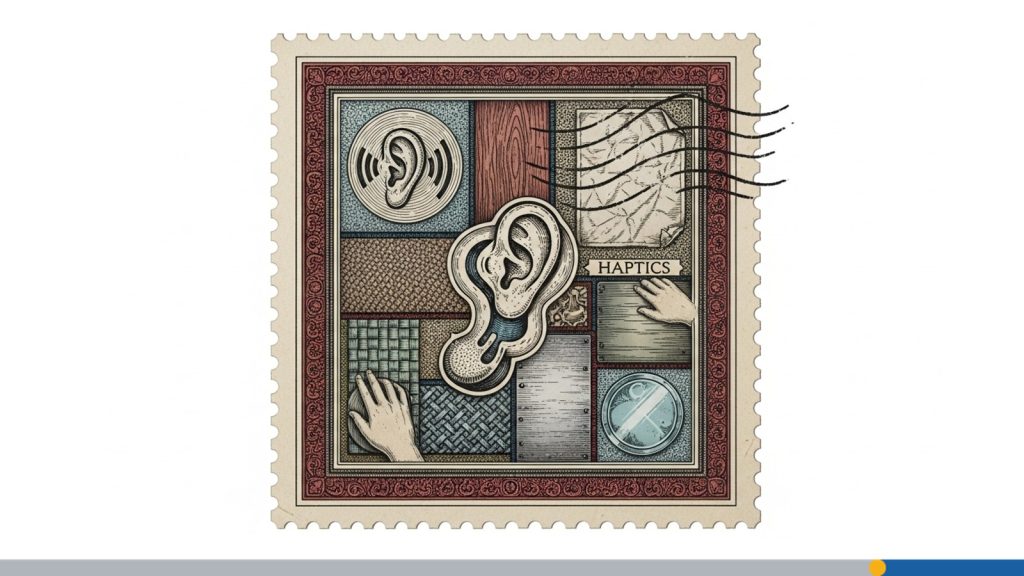
Sonic logos and consistent audio cues in video content and apps. Visuals that suggest texture, grain, paper, fabric, metal, and glass, paired with physical merch that emphasizes the actual feel: raised print, soft‑touch coatings, embossed details. Apple does multisensory branding with its products: from packaging to product feel, and product scent, which has inspired the creation of candles that smell like new MacBooks!
As mixed‑reality and audio‑first platforms grow with technologies such as augmented reality glasses, brands need recognition beyond the visual logo to create memorable emotional connections.
8. Personalized Brand Customer Experiences & Micro‑Variants
Same core brand system with micro‑variations by audience, region, product line, or moment. Dynamic content blocks, personalized offers, localized imagery on websites, plus limited‑edition merch runs or colorways for specific communities and events.
AI enables hyper‑personalization at scale while guardrails keep the identity coherent underneath, making customers feel seen across email campaigns, landing pages, and targeted social media.
Put this into practice
Create a stable core mark plus color or illustration variants for segments: eco, premium, youth, and local chapter. Use AI tools to quickly generate on‑brand layout variations for emails and landing pages. Offer micro‑variant merch, different color combos, slogans, or accent icons, while keeping the core logo consistent.
9. Analogue Warmth Meets High‑Tech Interfaces
Vintage‑inspired textures, nostalgic gradients, and retro typography paired with modern, clean UI. Collage, cut‑paper effects, or film grain layered over digital layouts with warm neutrals and bold accent colors.
This counteracts too‑perfect AI aesthetics with warmth and personality, appealing especially to tech brands, startups, and digital products wanting a more human, approachable feel.
Put this into practice
Ask the AI logo maker for a modern logo with subtle retro warmth or a digital‑meets‑analogue vibe. The prompt is simple and powerful; even a quick Google search will reveal relevant logos to inspire. Use AI to generate collage‑style backgrounds and textures for apparel, posters, and social graphics.
On the site, combine smooth, modern interactions with analogue‑looking imagery, grainy photos, and hand‑drawn type details. Find animations that evoke retro-inspired elements, such as turning off a television or the static visual during page load.
10. Modular Brand Systems That Scale Across Channels
A kit of reusable parts: logo variations, icon sets, patterns, color tokens, type scales, and grid systems with clear rules for how modules stack and reconfigure. Brands must be ready for new surfaces, AI‑Generated environments, emerging social platforms, AR filters, smart device interfaces, and modular systems that keep design consistent yet flexible, even when AI auto‑generates layouts.
Put this into practice
Use AI tools for a small identity toolkit: logo family, icon set, background patterns, and color/type variants. Turn key modules into templates for business cards, social posts, email headers, banners, and merch mockups. Build your website from reusable sections, hero, feature rows, and testimonials that mirror the modular visual system.
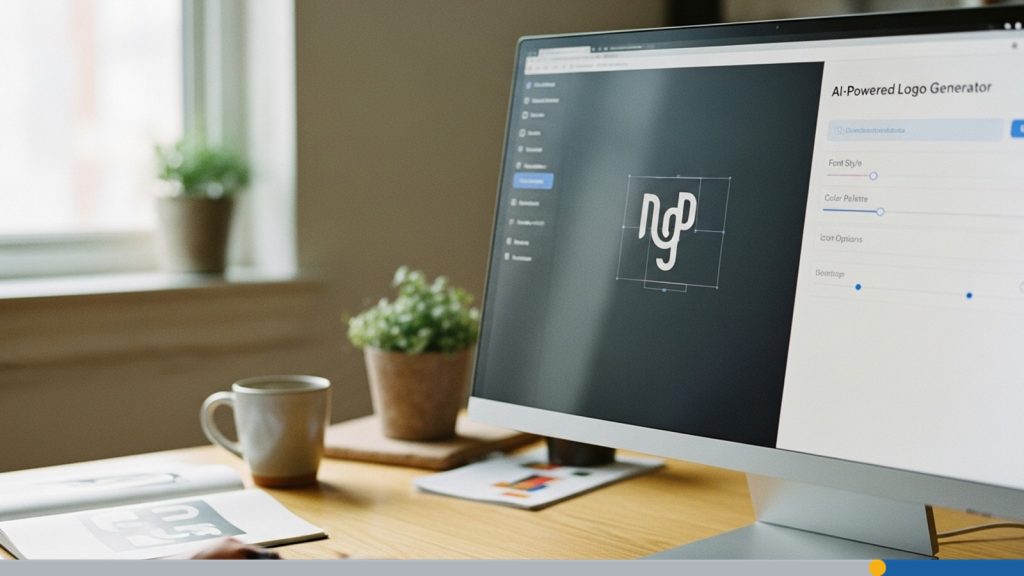
Using AI to Refresh Your Brand Identity in 2026 (Step‑by‑Step)
Trends are inspiring, but turning them into real logo files, merch designs, and website updates is where most small businesses stall. This simple, AI‑Powered four-step workflow keeps you moving from idea to launch without needing a full agency or months of back‑and‑forth.
Step 1: Choose 1 or 2 Branding Trends That Fit Your Story
Don’t try to do all 10. Pick the two trends that most closely match your brand promise, personality, and audience.
Quick pairing guide that we came up with:
- Local cafe or artisan shop? Go with hyper‑local + analogue warmth.
- SaaS tool or tech startup? Go with minimalist adaptive + humanized AI.
- Purpose‑driven product brand? Go with purpose‑driven, slow brand + inclusive design.
- Creative agency or studio? Go with motion‑first + modular systems.
- Community platform or app? Go with personalized micro‑variants + accessible design.
Write down the one brand promise you want the new identity to reinforce, then choose trends that make that promise clearer, not cloudier.
Step 2: Use FreeLogoServices AI-Powered Logo Generator to Explore New Directions
Open your AI-backed logo maker (like FreeLogoServices’ AI logo generator) and:
- Input your current brand info: name, industry, core values, and any preferred colors or symbols.
- Add trend‑specific prompts in the style or keyword fields: motion‑friendly, heritage‑coded, accessible high‑contrast, minimalist adaptive, or retro‑modern warmth.
- Generate multiple variations: aim for at least six to eight options so you can compare.
Quick review checklist for AI outputs:
- Legibility: Can you read it at favicon size and on a billboard?
- Distinctiveness: Does it look different from competitors in your space?
- Adaptability: Can you imagine it working in 1‑color, on a T‑shirt, and in a short video intro?
Pick your top two or three directions and refine from there.
Step 3: Build a Mini Logo System for 2026
Don’t stop at one logo file. Create a small, flexible logo system that covers real‑world use cases:
- Primary logo (full lockup: icon + wordmark, full color).
- Simple 1‑color mark for small sizes, embroidery, and single‑color merch (stamps, pens, screen prints).
- Favicon/app icon (square, works at 32×32 pixels).
- Basic motion concept: even if you’re not animating yet, sketch or describe how the logo will move, rotate, fade in, or morph, so you’re ready when you need short-form video or animated site headers.
Export each as a separate, clearly named file so your designer, printer, or website builder can grab the right version instantly.
Step 4: Export Ready‑to‑Use Assets for Print, Merch, and Digital
Which file formats to download and why:
- PNG (transparent background): for websites, social media, presentations.
- SVG (vector): for websites that need sharp logos at any size.
- PDF or EPS (vector): for professional print, merch vendors, and signage.
- JPG (optional): quick sharing and email signatures.
Naming and organizing tips:
Use descriptive names like BrandName_Logo_Primary_FullColor.png, BrandName_Logo_Icon_1Color.svg, BrandName_Favicon.png. Store them in a shared folder or brand kit so anyone on your team (or your merch partner) can find them instantly.
Extending 2026 Branding Trends Across Merch & Websites
A refreshed brand identity only matters if people actually see it. That means getting your new logo, colors, and visual style onto the tangible touchpoints customers interact with: the shirt they wear, the mug on their desk, the site they visit, and the business card in their wallet.
Applying Your Updated Branding to Promotional Products
Apparel (T‑shirts, hoodies, hats)
Choose a placement (chest left, full front, or back) large enough to read from a few feet away. Simplify to 1—2 colors for screen printing to keep costs down and legibility high. Motion‑first? Use dynamic streaks or stacked frames. Hyper‑local? Feature local icons. Analogue warmth? Vintage‑style prints on heather or earth‑tone fabrics.
Drinkware (mugs, water bottles)
Mugs can handle full‑color wraps; stainless bottles often look sharper with clean 1‑color laser engraving. Try your icon‑only mark on one side and a supporting pattern or tagline on the other.
Stationery (business cards, pens, notebooks, stickers)
Show the primary logo on business card fronts, 1‑color mark or pattern on backs. For pens and small items, use icon‑only or wordmark, skip tiny details. Stickers are perfect for testing bold, playful micro‑variants or limited‑edition designs.
Bringing 2026 Branding Trends Into Your Website or Landing Page
Your site is where all the trends come together in one live, interactive experience. Structure it to showcase your new identity clearly:
- Hero section: Display your primary logo, a motion hint (subtle animation or hover effect), and a one‑line purpose statement.
- About/Purpose section: Use this space to tell your story with consistent visual motifs, patterns, colors, and icons that echo your logo system.
- Product/Services section: Use modular layouts, repeating card or grid patterns, that feel cohesive and easy to update.
- Social proof/Testimonials: Apply on‑brand micro‑variants such as different accent colors or small icon tweaks per testimonial.
Quick Checklist: Is Your Brand 2026‑Ready?
Before you label your rebrand done, run through this fast checklist:
- Adaptive use across channels: Does your logo work in full color, 1‑color, as a tiny icon, and in large print? Can it be configured for horizontal, stacked, or icon‑only lockups?
- Motion opportunities: Have you thought about how your brand can move in short-form video, social media Stories, or web animations? Do you have static motion snapshots ready for merch?
- Accessibility and inclusivity: Are your color combinations high‑contrast? Is your type legible at small sizes? Do your visuals represent diverse people?
- Purpose and sustainability alignment: Does your brand identity reflect what you stand for long‑term? Are you using durable, consistent assets?
- AI workflow readiness: Do you have prompts, templates, and a brand toolkit organized for consistent AI use? Can you quickly generate on‑brand variations?
If you checked most boxes, you’re ahead of many brands. If not, open your AI logo maker, pick one or two trends that fit your brand story, generate refreshed logo options, and start rolling them out across merch, packaging, and a simple website.
Small, confident steps beat perfection paralysis every time. The top branding and brand identity trends of 2026 aren’t about chasing every aesthetic; they’re about making your brand clearer, more memorable, and ready for wherever screens, customers, and technology next take you.
FREQUENTLY ASKED QUESTIONS
Branding trends vs brand identity trends. What’s the difference in 2026?
Branding trends cover big shifts in how brands operate and communicate (purpose-driven brands, social responsibility, new tech, AI agents in customer experience, and business practices). Brand identity trends focus on how these shifts manifest visually and sensorially: logos, color, type, motion, layouts, and merchandising.
How often should a small business update its brand identity?
Most small businesses don’t need a full rebrand every few years. Instead, they should keep the core logo and brand values stable while refreshing flexible elements (color, motion, imagery) every 2—4 years in response to key trends and consumer data.
How can 2026 branding trends help with Gen Z and social media?
Gen Z expects brands to be visually fluent on social media, responsive across platforms, and aligned with purpose-driven strategies. Motion-first design, accessible layouts, and authentic user-generated content help evoke emotion and build deeper connections without diluting your core brand identity.
Can AI-Generated content really fit into a consistent brand identity?
Yes. If you use clear prompts, brand guidelines, and guardrails that reflect your existing brand strategy, treat AI models and multimodal AI as assistants that extend your brand system, not as random idea machines, and always check outputs for alignment with your brand promise and brand values.
How do I know if I’m chasing too many trends?
If your logo, website, and merch look like they belong to different companies, or your audience keeps asking, “Is this you?” You’re likely over‑rotating on trends; return to your core brand identity, select one or two key trends that genuinely support your customer experience, and apply them consistently rather than constantly reinventing the look.