You might remember the last time you saw a cool-looking water bottle and thought, “I want that, too”! Custom water bottles with a well-placed logo can become daily-carry items, used at desks, gyms, commutes, and trips, so your brand shows up again and again without ongoing ad spend.
Reusable bottles also support sustainability messaging because they’re designed to be refilled and kept, not tossed after a single use.
If you’re moving fast, your biggest risk isn’t the bottle; it’s ordering before your logo is print-ready. An AI logo maker like FreeLogoServices can speed up early concepts, but the real win is exporting the right file types and simplifying details so the design prints cleanly on a curved surface.
Let’s Find Your Goal & Audience
You don’t simply create a bottle and consider the job done. You need to assess whether people will buy it with your branding. However, if your branding is subtle and the design attractive, you might quickly attract some sales.
Common Campaign Goals
Before you choose materials or printing, define what success looks like. Typical use cases include trade show giveaways, internal swag/onboarding, client gifts, event merchandise, resale/fundraising, hospitality/catering add-ons, and promotional bottles for corporate events or wellness programs.
Match Bottle Style to Real Users
Your audience should drive the specs. Outdoor audiences often care about weight, durability, and carry features, while office teams often want insulation and a premium feel for commuting.
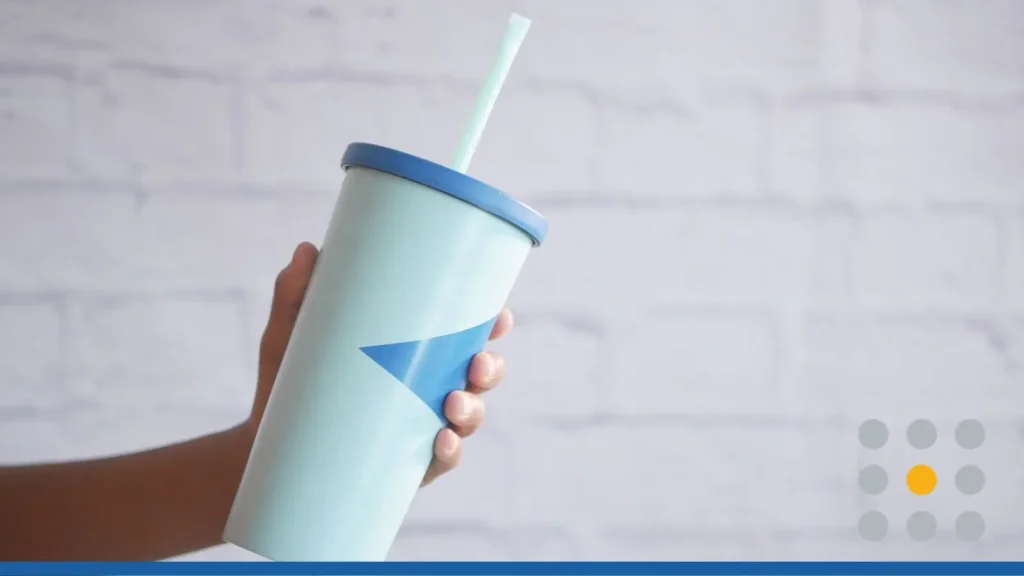
If your recipients are runners or gym members, lids with straws or flip-tops often matter more than fancy finishes because they’re easier to drink from on the move.
Custom bottles can also support team culture for sports clubs, company teams, and group events by doubling as gear and as a practical gift.
Step 1 of Making a Water Bottle: Design Your Logo or Graphic With AI
A fast way to start is generating a few logo directions (brand name, event theme, or a campaign tagline), then refining the strongest option into a print-safe mark. If you’re working with a supplier, align on the print area and decoration method early, so you don’t design something that can’t be produced cleanly.
FreeLogoServices’ online personalized water bottle maker can verify your logo placement on the water bottle, guaranteeing that it will look as you imagine.
Make the Design ‘Print-Friendly’
Design for the object you’re printing on: a bottle is curved, often glossy, and typically viewed at arm’s length. That means:
- Prefer bold shapes and thicker strokes over tiny details.
- Keep high contrast between the logo and bottle color (especially on matte or metallic finishes).
- Avoid hairline text and ultra-thin outlines if you might use screen printing or pad printing (those methods are best for simpler art).
- Make sure your logo has the ability to stand out and remain clear when printed on curved surfaces, so it leaves a strong impression and meets your branding needs.
Export Files Suppliers Actually Want
Most suppliers prefer vector formats like AI, EPS, or SVG for crisp results at any size. If you can’t supply a vector, many vendors will accept high-resolution PNG/JPEG, but you’re more likely to see soft edges on small type.
For print production, suppliers commonly request CMYK artwork because that’s the standard color mode for many printing workflows.
On FreeLogoServices, you can get sample logos that may fit your purpose well, all from a one-size-fits-all interface. With the Online Logo Maker, you can get a list of potential logos to apply to many of our products, like t-shirts, coffee mugs, and even hoodies!
Step 2: Choose Water Bottle Type & Material
Here’s a practical way to choose without overthinking it: pick the material first (it sets the price point and branding methods), then dial in size, lid type, and finish.
Be sure to browse our collection and range of custom water bottles with a logo.
We offer a variety of styles, colors, and materials to suit different branding needs, making it easy to find the perfect fit for your marketing goals.
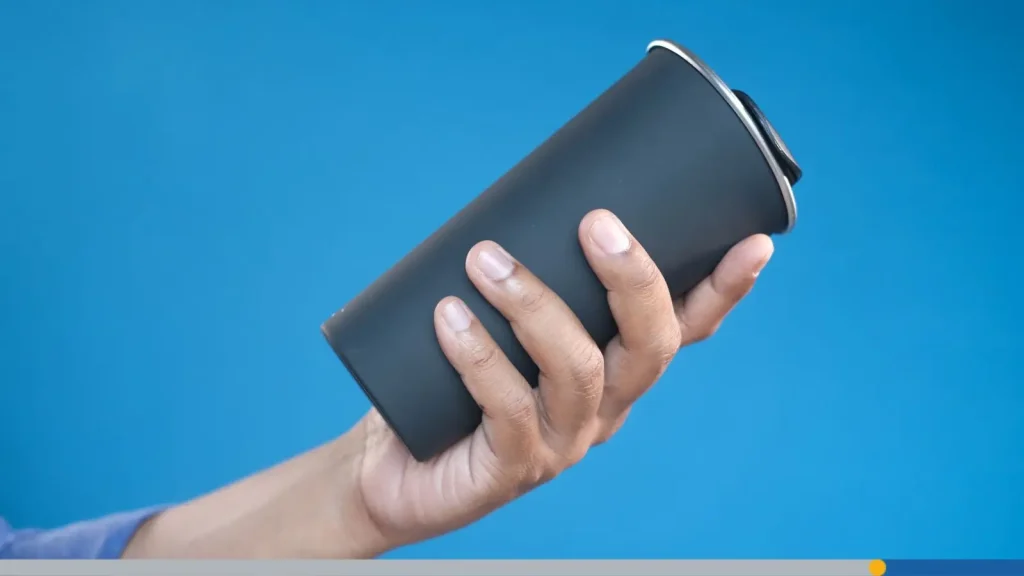
Plastic / rPET (Budget & Lightweight)
Plastic bottles are popular for mass giveaways because they’re lightweight and budget-friendly, and vendors often decorate them with vibrant prints or sticker/label-style branding.
Plastic water bottles are lightweight and often more affordable than other materials, making them a practical choice for large events or promotions.
Many plastic bottles are now available as BPA-free options to reduce health risks. BPA (bisphenol A) is a chemical sometimes found in plastics that can pose health concerns, so choosing BPA-free water bottles is important for safety and peace of mind.
If you want a sustainability angle without jumping to premium pricing, rPET is commonly described as recycled PET made by collecting used PET, cleaning it, and processing it into pellets that can be used to make new products (including bottles).
Some suppliers also position rPET as requiring less energy than producing virgin PET, which is why it’s often used in eco promo lines.
Best logo approach: high-contrast marks, fewer colors if you’re using screen/pad printing; full color is fine if you’re choosing digital/UV.
Stainless Steel (Premium & Long Life)
Stainless steel is widely positioned as the durability + quality choice, and it’s often paired with insulation for hot/cold retention. Metal water bottles, including stainless steel and aluminum, are known for their sturdy construction and insulation properties, making them ideal for both everyday and active use.
Many custom stainless options use laser engraving for a permanent, subtle look, or full-color wraps/prints for bolder branding. Laser engraving creates a permanent, elegant look on metal bottles, resists peeling, and conveys premium quality.
Best logo approach: minimalist wordmarks and icons look excellent engraved; bold full-color graphics work well with digital/UV printing.
Glass (Clean Taste & Upscale Look)
Glass water bottles are commonly marketed to eco-conscious audiences and for clean-tasting water, with a sleek look that fits gift sets or boutique-style branding.
Glass water bottles are often chosen for their aesthetic appeal and because they are free from chemicals found in some plastics, making them a premium, personalized option for marketing campaigns, events, and branding purposes. Because glass can be fragile, many products add sleeves for grip and protection.
Best logo approach: elegant, simple marks; consider limited color palettes and plenty of whitespace.
Aluminium (Lightweight & Outdoor Friendly)
Aluminum is often presented as lightweight and travel-friendly, with a metallic look that supports stylish branding.
Aluminum and stainless steel are both popular choices for promotional water bottles because they are durable and help keep beverages at the desired temperature, making them ideal for everyday use and business branding. Customization may include anodized color finishes or debossed-style effects, depending on the product line.
Best logo approach: bold shapes with clear negative space; avoid micro-detail if you’re printing over metallic finishes.
Practical Spec Checklist (Size, Lid, Finish)
Use a short checklist so you don’t forget what makes bottles feel thoughtful instead of generic:
- Size: Choose from common capacities like 20 oz, 24 oz, or 32 oz; smaller for kids/events, mid-size for desk use, and larger bottles that hold more water for gym or outdoor activities. Many promo guides talk about choosing based on how/where it’s used.
- Lid type: Select from screw-top, straw, flip-top, or push-button designs. Straw, flip-top, and push-button styles are often highlighted for runners and quick sipping.
- Insulation: Insulated water bottles help maintain the temperature of beverages for hours, keeping drinks cold or hot as needed.
- Finish: Matte vs glossy vs metallic; choose based on brand vibe and how visible you need the logo to be.
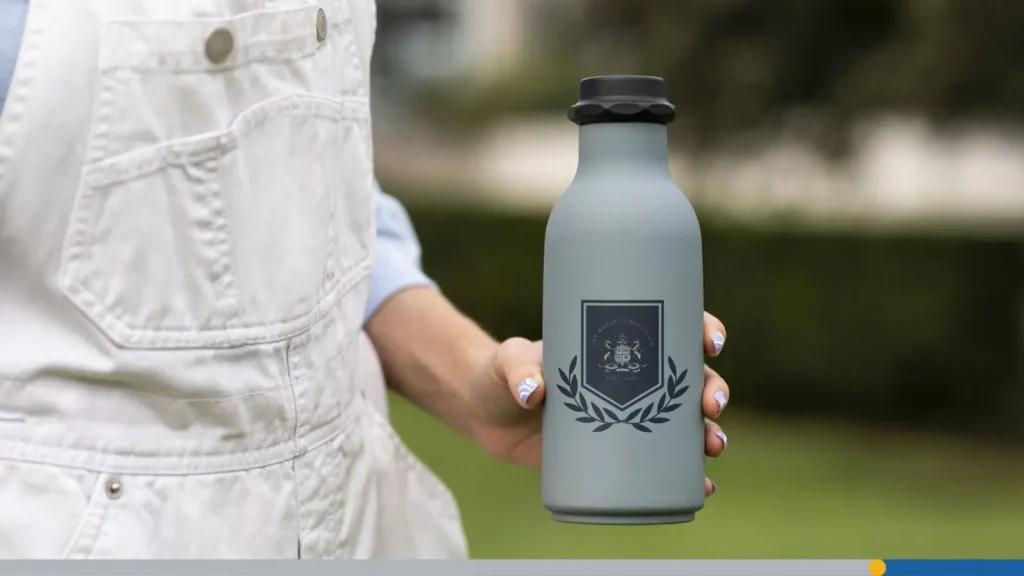
Step 3: Decide on Branding Style & Placement
One-Sided vs. Wrap Designs
One-sided prints are simple, cost-effective, and work well for clean logos and short taglines. Wrap designs (full-color wraps/patterns) are better when your brand identity relies on color gradients, illustrations, or big statement typography, and many bottle guides specifically recommend full-color wraps for bold branding on stainless options.
When choosing your design, focus on finding the perfect bottle that aligns with your branding needs. There are plenty of styles and options to create an ideal promotional item. For maximum visibility, make sure your logo size occupies 25–30% of the visible area of the bottle.
Placement Rules for Curved Products
A few practical rules prevent 90% of “we didn’t expect it to look like that” outcomes:
- Keep clear space around the logo so it doesn’t look cramped once it’s curved.
- Avoid placing paramount details on extreme curves or near seams/edges where distortion is more likely.
- If your audience is mostly right-handed, consider placing the logo where it faces outward when held (and mirror that for left-handed audiences when it matters).
- Choose bottles and branding methods that stand the test of time, so your logo remains visible and durable throughout the product’s lifespan.
Step 4: Choose Printing or Decoration Method
Your decoration method should match three things: bottle material, design complexity (colors + detail), and order size.
When you shop for promotional drinkware like custom water bottles with a logo, you’ll find options in a variety of materials, including plastic, metal, and glass. This variety lets you choose the best fit for your brand, event, or marketing campaign.
Screen Printing (Simple & Scalable)
Screen printing uses a stencil/screen and pushes ink through the screen onto the product; each color typically needs a separate screen. It’s commonly described as excellent for large quantities once setup is done, as the cost per unit drops significantly when you order more custom water bottles with your logo. However, it’s less suitable for photo-realistic designs and complex gradients.
Choose it when: you have 1–2 solid colors, a bold logo, and you’re ordering enough units to justify setup.
Pad Printing (Great for Odd Shapes)
Pad printing transfers ink using a silicone/rubber pad, which makes it useful for small items or oddly shaped surfaces. It can also use PMS inks for more exact color matching, depending on vendor capabilities.
Choose it when: your bottle has contours or small print areas where a pad can reach cleanly.
Digital / UV Printing (Full Color & Fast Curing)
Digital UV printing is commonly explained as printing directly to the product and using UV light to cure/dry the ink immediately, reducing smudging risk and enabling printing on many materials. Industry sources also describe UV digital printing on drinkware as instantly curing ink onto the vessel and supporting full-color, high-quality prints.
Choose it when: you need full color, gradients, complex graphics, or short runs with lots of variation.
Laser Engraving (Premium & Permanent)
Laser engraving removes/etches material to create the design, producing a durable mark but typically without color (because it’s not ink-based). Custom bottle guides often position it as ideal for stainless steel and for a sleek, permanent look that won’t fade or peel.
Choose it when: you want a premium, minimalist result, especially on stainless steel.
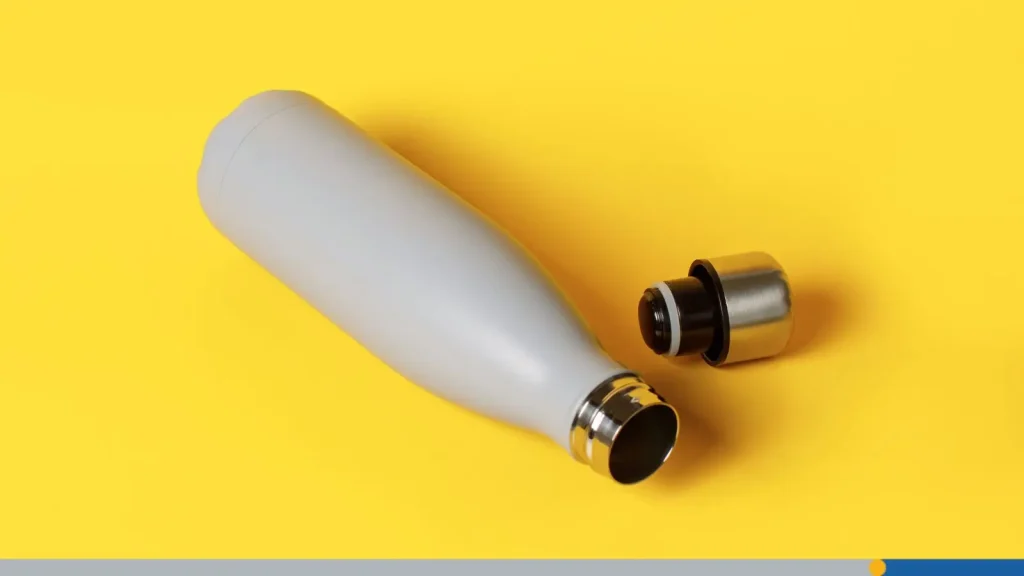
Step 5: Custom Label Water Bottles (Optional but Valuable)
Now, let’s discuss some optional custom labels for water bottles.
When Labels Beat Direct Printing
Custom label water bottles usually mean bottled water for events (not reusable bottles), where the label is the branding surface. Labels make sense when you need fast turnaround for a single date (weddings, conferences, hospitality, pop-ups) or you want to include lots of campaign information without paying for complex direct-to-bottle decoration.
Label Layout & QR Basics
A common label approach is front = brand + event name, back = details, with room for a QR code to a landing page, menu, sponsor page, or offer. QR label guides also recommend testing printed samples under different lighting and with multiple phones to ensure scan reliability.
Step 6: Order, Test & Roll Out
Mockups, Samples & QA Checks
Ask for a digital mockup before production; many suppliers provide mockups so you can verify placement and scale. The customization process often includes receiving a virtual mockup of your design for approval before production begins. Production timelines start only after your artwork is approved.
If the order is important (big event, retail drop, major client gifts), buy a small test batch first and check: color fidelity, edge sharpness, alignment, scratch resistance, and wash durability (some bottle guides advise avoiding dishwashers to preserve the custom logo). During product testing, also note that some bottles are designed to keep beverages cold for hours, which can be a deciding factor for outdoor or work use.
Operationally, also confirm lead times early: guides for custom bottles commonly suggest planning weeks ahead because production and delivery can take time, depending on quantity and customization method.
Turn Your Bottle Design Into a Full Brand System
Your bottle artwork shouldn’t live on a single product. If you’ve already created a strong mark (and exported it properly), reuse it across drinkware, shirts, tote bags, notebooks, and a simple campaign landing page, so the bottle becomes the physical entry point to your brand.
Browse our curated collection and shop for additional promotional drinkware to engage your customers and expand your brand system. When customizing water bottles, you can upload your own design or choose a template from our art gallery, making it easy to create a cohesive look across all your branded products.
FREQUENTLY ASKED QUESTIONS
What does MOQ mean?
MOQ stands for minimum order quantity. The smallest number of units a supplier will produce or sell for a custom run. Suppliers use MOQs to make production practical, since setup time, materials, and labour still apply even on small orders.
What MOQ should we expect for custom water bottles?
MOQ varies by bottle type, material, and decoration method, so there isn’t one fixed number that applies to every supplier. You can buy a single water bottle from FreeLogoServices if you like, or order more than 10 to start getting discounts!
Can we order custom water bottles with no minimum?
Yes. Some vendors offer custom bottles with no minimum (or very low minimum) ordering, such as FreeLogoServices. Create your own logo with FreeLogoServices’ Online Logo Maker and place it on your promotional items. This route is useful for small teams and pilots, and it’s also a clean way to test your design before you commit to a larger run.
How do we match our brand colours accurately?
If colour accuracy is a high priority, ask for Pantone (PMS) matching instead of relying on close enough screen colours. PMS is a standardized colour system designed to help printers reproduce the same colour more consistently across different jobs and materials.
Is CMYK the same as Pantone (PMS)?
No. CMYK is a process colour method, while Pantone (PMS) is a standardized spot-colour system with defined colour references. Because they’re different systems, converting between CMYK and PMS can shift how a colour looks on the final bottle.
Should we request a hard-copy proof?
If you’re colour matching a brand shade or printing on a tricky surface (metallics, textured finishes, dark colours), request a physical proof or a hard-copy proof option. It’s one of the simplest ways to catch colour and legibility issues before the full run is produced.
Are custom-printed bottles dishwasher safe?
To protect printed decoration (especially UV-printed designs), follow care instructions to preserve the print finish. Hand washing and gentler cleaning methods are mostly recommended to help the artwork last longer on the water bottles.
Is laser engraving more durable than printing?
Laser engraving is widely positioned as a high-durability decoration choice because it marks the surface rather than sitting on top like ink. It’s also a strong fit when you want a premium look that resists scratching and wear over time.
How long does production take?
Production time depends on stock availability, decoration method, quantity, and shipping distance. The practical rule: your timeline starts after you approve the proof, not when you first send the artwork.
Keep in mind that the estimated arrival date is not a guarantee of when the package will be delivered. Actual delivery dates may vary depending on production and shipping timelines.
Can you ship to multiple addresses?
Many vendors can split shipments or drop-ship to multiple addresses, which helps with remote teams or multi-location events. Confirm packaging, address formatting requirements, and any added handling costs before you place the order.
Who owns the logo artwork we upload or generate?
Treat this as a licensing question, not a design question. Get written confirmation of usage rights for any templates, icons, fonts, or AI-generated elements, and keep a copy with your brand files for future campaigns.