With 2026 in full swing, brands will need to be more adventurous with logo design to stand out in an overly crowded field. Logo design trends 2026 are shaping up to be some of the most exciting, expressive, and slightly rebellious we’ve seen in years. After a long stretch of ultra-safe branding, perfectly polished minimalism, and logos that looked great on pitch decks but felt a little soulless, brands are finally loosening up again.
The year ahead is all about personality, movement, and flexibility. Logos are no longer just static symbols slapped onto business cards. They’re living parts of visual systems, adapting across digital spaces, small screens, motion design, AR filters, and real-world experiences. At the same time, human creativity is pushing back against overly sterile, AI-perfect aesthetics, bringing warmth, visible imperfections, and emotion back into logo design.
In this article, we’ll dive into the top logo design trends for 2026. We’ll explore what’s changing, why it’s happening, and how designers and brands can use these trends strategically, not just aesthetically. This guide will help you understand the latest trends and how they fit into modern brand strategy, a useful tool whether you’re a startup founder, a design director, or a creative partner working in the branding and graphic design space.
- Why Logo Design Trends Matter More Than Ever
- The Top Ten Logo Design Trends in 2026
- What This Means for Designers & Brands
Why Logo Design Trends Matter More Than Ever
Logo design has always reflected cultural shifts, but in 2026, that connection feels stronger than ever. Brands exist primarily in digital culture now. They live on apps, websites, social media, video, and interactive platforms where attention spans are short, and competition is intense. For reference, the average attention span in 2004 was roughly 2.5 minutes; in 2026, it has dropped to just 47 seconds. A well-designed logo today needs to grab an audience’s attention instantly while feeling relevant across countless touchpoints.
In this sea of content, you might be wondering whether logo design is still relevant for getting your customers’ attention. The short answer: A well-designed logo remains one of the most potent marketing tools. A strong logo helps you build up brand identity and consistency. According to recent reports, 68% of companies claim that brand consistency added 10-20% to their revenue growth. Having a solid and stable logo across all of your digital platforms creates that consistency that leads to long-term growth.
The Impact of Technology on Logo Design Trends
Modern logo design trends are also heavily influenced by technology. Artificial intelligence, generative branding systems, motion design tools, and AI-generated visuals are changing how logos are created and used. At the same time, audiences are becoming more design-literate. People notice when branding feels generic, copied, or overly automated.
That tension between tech-driven efficiency and human connection defines many of the logo trends we’re seeing for 2026. Brands want endless variations and adaptive logos, but they also want warmth, authenticity, and a clear brand personality.
FreeLogoServices can help you leverage technological advancements while maintaining an authentic brand feel. The AI-Powered logo maker is intuitive and easy to use for anyone, even graphic design novices. Once you’ve generated your image, you can edit every aspect until it uniquely fits your brand.
The Top Ten Logo Design Trends in 2026
Creating visuals that deeply connect with audiences can be daunting, especially in 2026, when there is so much competition for people’s attention. We’ve compiled a list of the top 10 best logo design trends to help you create a stunning logo that stands out among the rest.
1. Adaptive Logos & Flexible Visual Systems
One of the biggest logo design trends 2026 continues to build on is adaptability. The era of the single static logo is officially over. While static logos still exist, they’re now just one piece of much larger identity systems.
Adaptive logos are designed to shift depending on context. They may change shape, color, texture, or detail based on platform, user interaction, or the user’s location. A logo might appear bold and detailed on a desktop site, simplified and pixel sharp on small screens, or animated in motion design for digital experiences.
This trend is closely tied to visual systems rather than standalone marks. Designers are thinking less about “the logo” and more about how the logo behaves. How does it move? How does it scale? How does it interact with other graphic trends like typography, imagery, and color?
Allowing brands to be flexible without losing brand consistency is a huge part of modern brand strategy. Done well, adaptive logos create visual interest while reinforcing a clear visual language across every touchpoint.
2. Generative Branding & Endless Variations
Generative branding is no longer experimental. In 2026, it’s becoming mainstream, especially in creative industries, tech, media, and personal branding. Using AI tools and algorithmic systems, designers can create logos with endless variations that still feel cohesive.
Instead of one fixed logo, brands might have a core structure that generates different outputs. Shapes shift, patterns evolve, colors rotate through curated palettes, and subtle details change depending on context. A great example of this kind of logo system is FedEx, which uses the same structure but different color options to differentiate various divisions of the company, such as FedEx Corporate, FedEx Ground, and FedEx Express.
AI-generated visuals play a role here, but the strongest generative branding systems are guided by human creativity. Designers define the rules, the tone, and the brand’s personality, while artificial intelligence handles variation at scale.
The key challenge is restraint. More brands are experimenting with generative branding, but not all of them need it. A successful system supports the brand identity instead of distracting from it.
3. Neo Minimalism (With a Modern Twist)
Minimalism isn’t going anywhere, but it’s evolving. One of the most important modern logo design trends for 2026 is neo minimalism. This approach keeps the clarity and simplicity of minimalism while adding subtle personality and warmth.
Think soft curves instead of harsh geometry, subtle shadows instead of flat shapes, and gentle soft fades rather than stark contrasts. Neo minimalism avoids the cold, corporate feel that made many logos from the late 2010s look interchangeable.
Designers are adding extra details in small, intentional ways. A slight notch in a letterform, a playful curve, or a muted texture can make a logo feel human without cluttering it. This trend is especially popular for brands that want a modern twist while still feeling timeless.
Neo minimalism might sound redundant, but it reflects the idea of refining simplicity rather than stripping it to nothing.
4. Hyper Expressive & Kinetic Typography
Typography is taking center stage in logo design trends 2026. Hyper expressive typography and kinetic typography are becoming powerful tools for brands that want to stand out in crowded digital environments.
Instead of neutral, safe typefaces, designers are choosing expressive typography that communicates emotion, attitude, and tone instantly. Letterforms stretch, bend, pulse, and animate. In motion design, typography becomes the logo itself, shifting shape and rhythm depending on the message. The gaming world was ahead of the curve on this trend as popular video games like Minecraft already incorporated expressive typography into their logos over a decade ago, but it’s never too late to catch up.
Kinetic typography works particularly well in digital experiences like websites, apps, and social media. It adds energy and visual interest while reinforcing brand voice. This trend is also closely tied to storytelling, allowing brands to express different moods without changing their core identity.
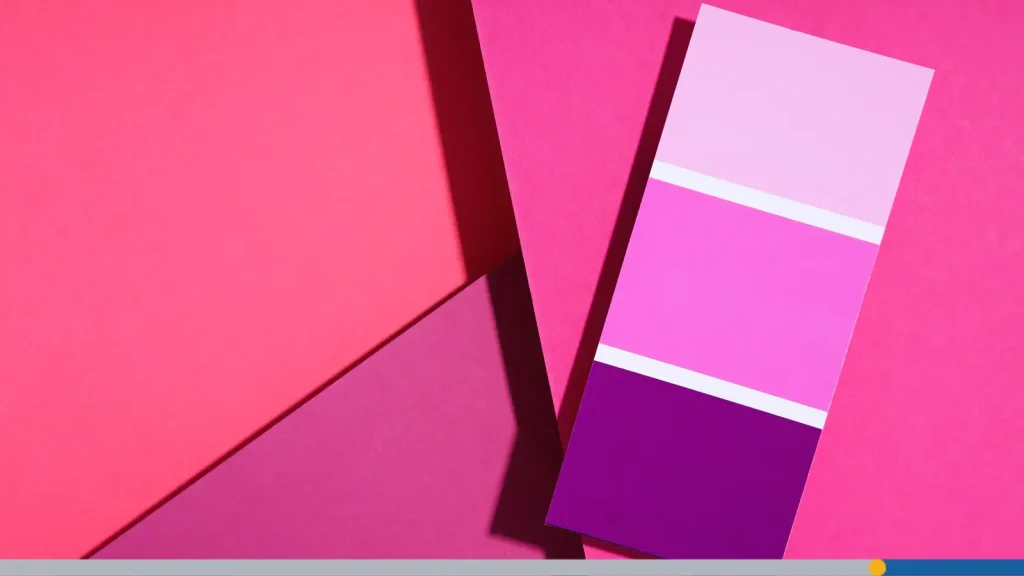
5. High Contrast Palettes & Muted Earthy Tones
Color trends in logo design for 2026 are moving in two seemingly opposite directions. On one side, we’re seeing high-contrast palettes with bold, almost electric combinations designed to pop on small screens. On the other hand, there’s a strong shift toward muted palettes and earthy palettes that feel grounded and calm.
- High-contrast palettes work well for brands operating in a fast-moving digital culture, where grabbing attention matters. These logos often feature pixel-sharp edges, bold color blocking, and strong visual hierarchy.
- Muted and earthy palettes, meanwhile, are being embraced by brands that want to convey trust, sustainability, or human connection. These colors feel natural and tactile, aligning with cultural shifts toward wellness, authenticity, and slower consumption.
Many modern logo design trends blend both approaches, using a muted base with a single high-impact accent color to create balance.
6. Toasty Logos & Warm Visual Identity
One of the more playful trends for 2026 is what designers are calling “toasty logos.” These logos feel warm, friendly, and comforting. Think rounded shapes, soft gradients, subtle shadows, and color palettes inspired by warmth rather than brightness.
Toasty logos are a reaction to years of ultra-flat, overly serious branding. They work especially well for lifestyle brands, food and beverage companies, wellness startups, and personal branding.
Even legacy brands like Coca-Cola continue to lean into warmth and familiarity, proving that softness doesn’t mean weakness. In fact, warmth can be a powerful differentiator in competitive markets.
7. Retro Futurism & Storybook Influences
Retro futurism is making a strong comeback in logo design trends 2026, but with a refined edge. Designers are blending futuristic aesthetics with nostalgic references, creating logos that feel both forward-looking and emotionally familiar.
This trend often includes sharp edges paired with soft curves, metallic tones mixed with muted palettes, and typography inspired by old sci-fi posters or storybook gothic styles. The result is a visual identity that feels imaginative rather than cold.
Retro futurism works well for brands exploring new forms, digital experiences, or experimental products while still wanting emotional resonance.
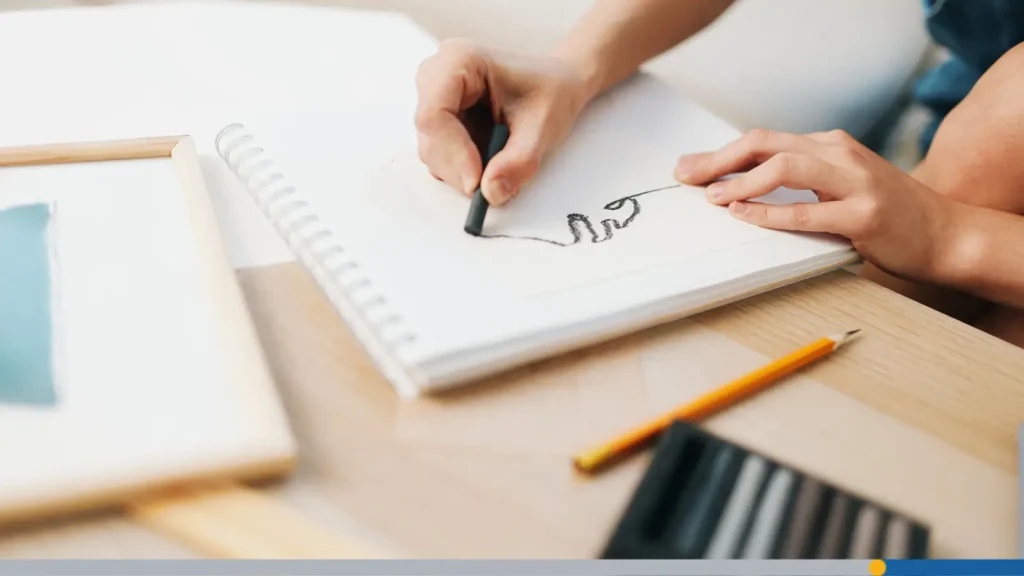
8. Freehand Mascots & Hand-Drawn Elements
After years of clean geometry, hand-drawn and freehand mascots are taking center stage again. These logos embrace visible imperfections, naive design, and playful expression.
Freehand mascots create instant human connection. They feel approachable and memorable, especially for brands that rely on direct response or community building. This trend is particularly strong in creative industries, startups, and brands targeting younger audiences.
Even when combined with AI tools, the most successful mascots feel intentionally imperfect. Designers are using artificial intelligence for efficiency while preserving the charm of handcrafted visuals.
9. AI Tools, But Human-Led Design
Artificial intelligence is everywhere in design conversations, but one of the most important logo design trends 2026 is how designers are using AI responsibly. AI tools and AI-generated visuals are becoming part of the workflow, not the final decision-maker.
Designers use AI for exploration, ideation, and rapid prototyping. It helps generate options, test variations, and explore new visual trends quickly. However, the final logo design is still guided by human creativity, brand strategy, and cultural understanding.
FreeLogoServices’ powerful AI assistant helps you explore all of your creative ideas. Once you’re happy with your design, you can use FreeLogoServices’ suite of marketing tools to put your logo on promotional items, business cards, and more.
10. Motion-First Logos for Digital Experiences
Logos are no longer designed as static assets first. Motion design is now a core consideration from the start. In 2026, many logos are created motion-first, with static versions derived afterward.
Subtle animations, kinetic typography, and responsive behaviors make logos feel alive in digital spaces. These effects don’t need to be flashy. Often, subtle shadows, soft fades, or gentle movement are enough to add depth.
Motion-first logos perform especially well in apps, video content, and AR filters, where movement enhances engagement without overwhelming the user.
Bonus Trends Making a Splash in 2026
Here are a few bonus trends that didn’t crack the top ten but still deserve a mention on the list.
- Visual language over individual marks: Another major shift in logo trends is the focus on visual language rather than individual marks. Brands are investing in cohesive identity systems that include logos, typography, color, illustration, and motion working together.
- Personal branding goes pro: Personal branding continues to grow, and logo design trends 2026 reflect that shift. More individuals are treating themselves like brands, investing in thoughtful visual identity and professional logo design.
- Logos designed for small screens first: Small screens are driving design decisions more than ever. Logos must be legible, recognizable, and impactful at tiny sizes. This has led to simplified forms, bold shapes, and clear contrast.
- Branding that reflects cultural shifts: Logo design doesn’t exist in a vacuum. The visual trends we’re seeing are direct responses to cultural shifts. Audiences want authenticity, inclusivity, and emotional connection. They’re drawn to brands that feel human, transparent, and adaptable.
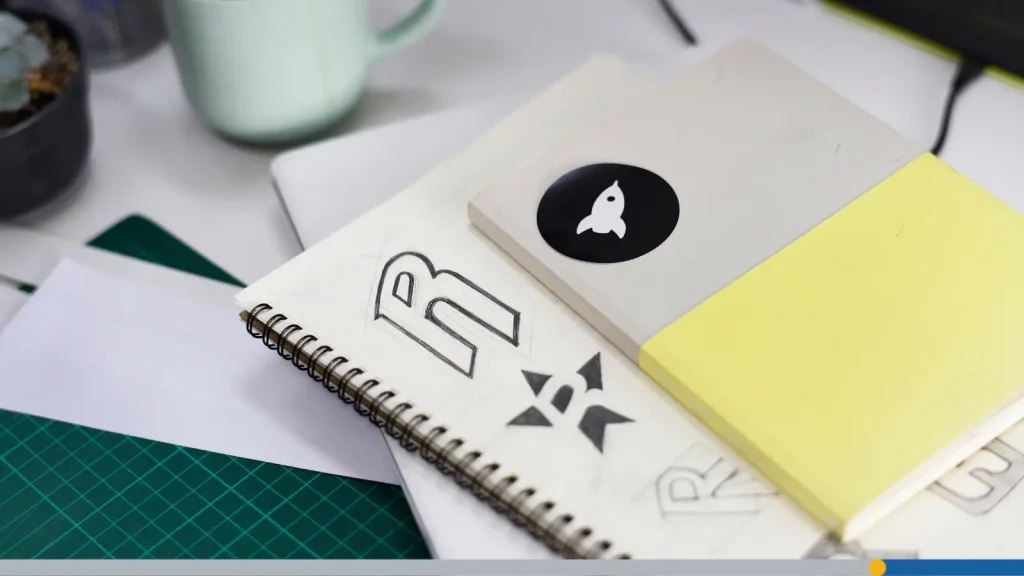
What This Means for Designers & Brands
For designers, logo design trends 2026 are an invitation to experiment, but also to think strategically. Trends should inspire, not dictate. A great logo still starts with understanding the brand, its audience, and its goals.
For brands, working with a creative partner who understands both visual trends and brand strategy is more important than ever. A logo isn’t just decoration. It’s a strategic asset that shapes perception across every interaction.
Designing a captivating logo means nothing if no one sees it. In 2026, you have to use every avenue available to make sure your logo is seen by as many people as possible. FreeLogoServices’ suite of design and marketing tools helps you promote your brand in a wide variety of ways, from website design to promotional stationery, and everything in between.
Conclusion
As we look ahead, logo design trends for 2026 make one thing very clear: Logos are no longer just symbols; they’re experiences. They move, adapt, respond, and evolve alongside brands and audiences.
What’s especially interesting about this year ahead is the balance designers are striking. On one side, there’s powerful technology like artificial intelligence, AI tools, and generative systems enabling endless variations and efficiency at scale. On the other, there’s a strong return to human creativity, visible imperfections, hand drawn elements, and emotional warmth. The most successful logos don’t choose one side or the other; they blend both with intention.
Ultimately, logo design in 2026 is about feeling as much as function. It’s about creating logos that connect, adapt, and communicate clearly in an ever-changing digital culture.
Let FreeLogoServices help you strike the perfect balance with your business logo. The innovative AI-Powered platform lets you craft an amazing image that maintains a unique, authentic feel. Get started today!
FREQUENTLY ASKED QUESTIONS
What are the biggest logo design trends for 2026?
The biggest logo design trends 2026 include adaptive logos, generative branding, neo-minimalism, hyper-expressive typography, motion-first design, warm-toasty logos, and human-centered visuals that balance AI tools with creativity.
Are logo design trends changing faster than before?
Yes, logo trends are evolving faster due to digital culture, new technology, and changing user behavior. However, strong brand strategy and visual identity systems help logos stay relevant even as trends shift.
Should every brand follow the latest logo trends?
Not necessarily. Trends should support your brand’s personality and goals. A well-designed logo is timeless at its core, even if it incorporates modern design trends subtly.
How does AI impact logo design today?
Artificial intelligence supports designers through ideation, generative branding, and exploration. However, human creativity, cultural understanding, and strategic thinking remain essential.
What makes a modern logo effective in 2026?
A modern logo in 2026 is flexible, recognizable on small screens, emotionally engaging, and part of a larger visual system. It balances clarity with personality and adapts across digital experiences.
Are static logos still relevant?
Yes, static logos still play a role, especially in print and formal contexts. However, they’re often part of a broader system that includes motion and adaptability.
How important is motion design for logos?
Motion design is increasingly important, especially in digital spaces. Even subtle animation can add depth, personality, and engagement to a logo.
What color trends are popular in logo design for 2026?
High-contrast, muted, and earthy palettes are all popular. Many brands combine these approaches to create balance and visual interest.
How can small brands compete using logo design trends?
Small brands can stand out by focusing on clarity, authenticity, and strong visual language rather than trying to follow every trend. Thoughtful design often beats flashy design.